They sound similar and they overlap — but they're not the same, and choosing wrong is costly. Here's the plain-English difference, how to know which one your loved one needs, and why having both under one roof matters.
Assisted living helps with the tasks of daily life. Memory care is assisted living plus specialized support for the brain.
In assisted living, a person needs a hand with things like bathing, dressing, medications, meals, and mobility — but they're cognitively able to make their own choices and stay safe with that support.
Memory care includes all of that, then adds what someone living with Alzheimer's or dementia needs: a secured environment, staff trained in cognitive conditions, dementia-aware routines, and management of behaviors like wandering and sundowning. The need it answers isn't just physical — it's keeping a person safe when judgment and memory are slipping.

If assisted living was the right answer a year ago, these signs may mean it's time to step up to memory care.
Wandering or getting lost, leaving the stove on, letting in strangers, or trouble responding to an emergency. Safety risk is the clearest signal.
Disorientation about time or place, not recognizing familiar people, or increasing agitation and sundowning in the late afternoon and evening.
Assisted living staff saying needs exceed what they can provide, missed medications, weight loss, or a caregiver who's burning out trying to keep up.

The hardest part of choosing is the fear of choosing wrong — and having to move your loved one again later. At Encompass, you don't.
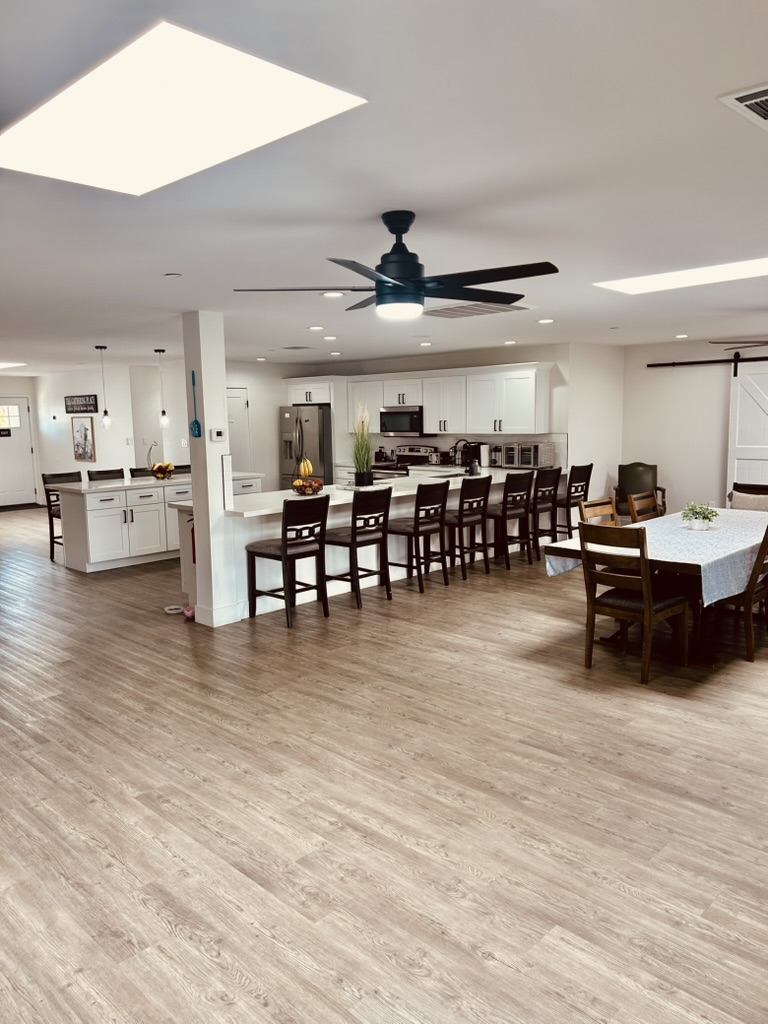
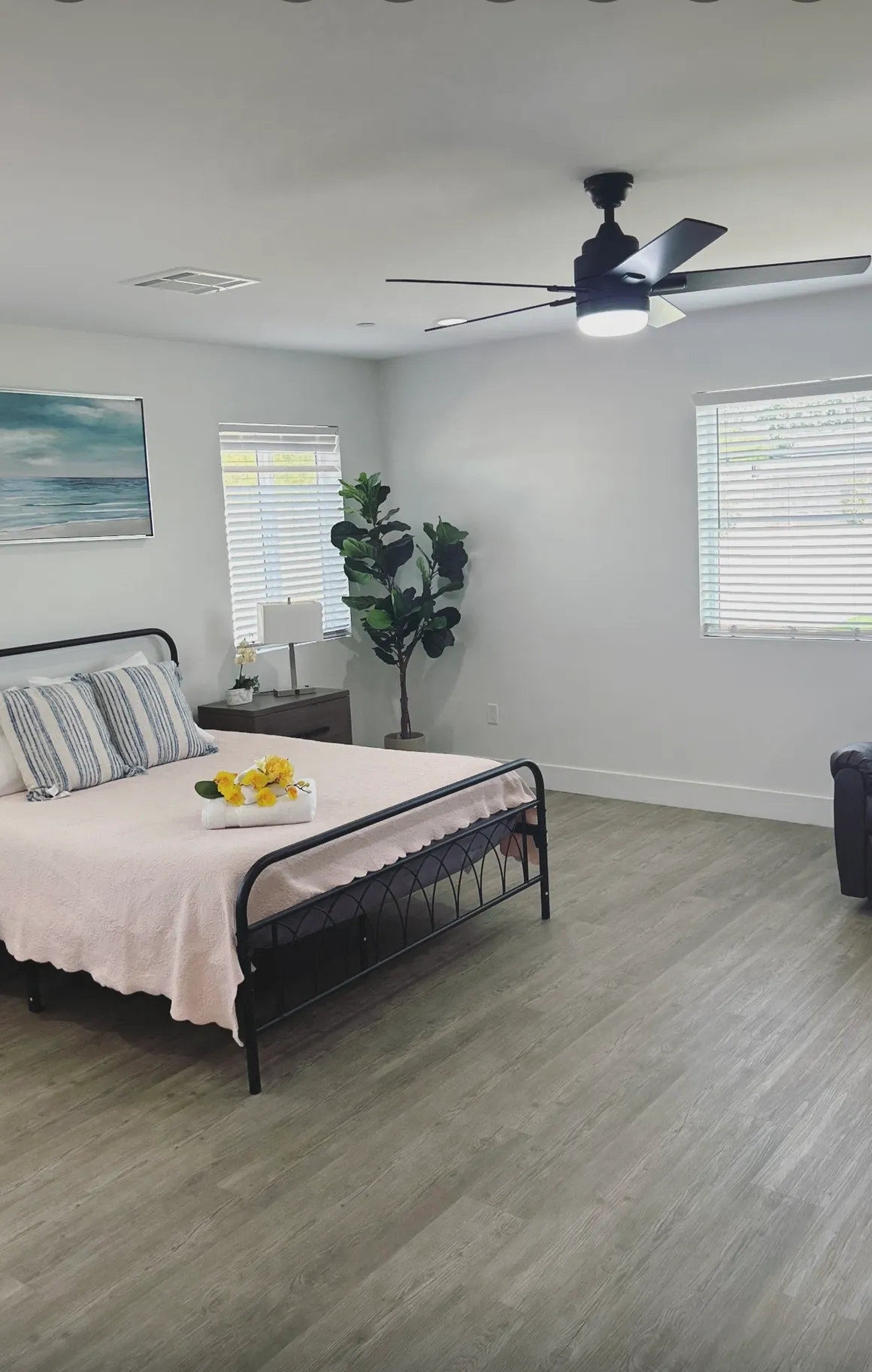
Because we provide assisted living and memory care in the same home, a resident who needs more support over time doesn't get uprooted to a new building with new faces. The care steps up around them — in the room they know, with the caregivers they trust. That's aging in place, and for someone with cognitive decline, continuity isn't a luxury — it's part of the care.
That's the most common place families land — and exactly the conversation we're glad to have. Tell us what you're seeing and we'll help you think it through.
No. Memory care includes everything assisted living offers, then adds a secured environment, dementia-trained staff, specialized routines, and management of behaviors like wandering and sundowning. The security is one piece of a much broader, cognition-focused approach.
The clearest signals are safety risks (wandering, leaving appliances on), escalating confusion, and assisted living staff telling you needs now exceed what they can provide. If you're seeing these, it's worth a conversation.
At Encompass, yes — and without leaving the home. Because we offer both, care steps up in place as needs change, so your loved one keeps the same room, caregivers, and routine.
Memory care generally costs more because it's a higher level of support. At Encompass, both are covered under one all-inclusive rate starting at $6,500/month — see our cost page for the full picture.
Many families come to us mid-decline, before a formal diagnosis. We can talk through what you're seeing and, with our nurse-practitioner oversight, help you understand the right level of care. Read more on our dementia & Alzheimer's page.
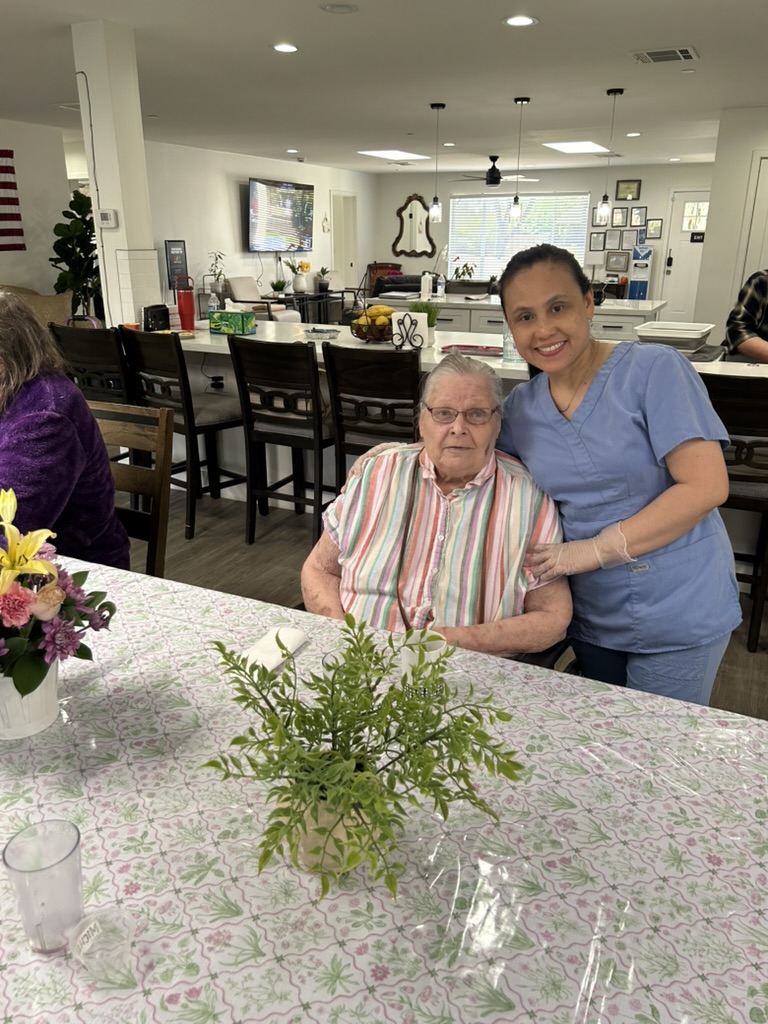
For cognitive decline, often yes. A 10-bed home means consistent caregivers, fewer confusing faces, and an environment that adapts to the person — which makes transitioning between levels of care far smoother than in a large facility.
Whether it's assisted living, memory care, or you're genuinely not sure, we'll walk through your loved one's situation and give you honest guidance — even if the answer isn't us.